Auteur/autrice : hackerziko1510@gmail.com

  • Digital Marketing Trends in Dubai and UAE for 2025: Navigating the Future of Engagement

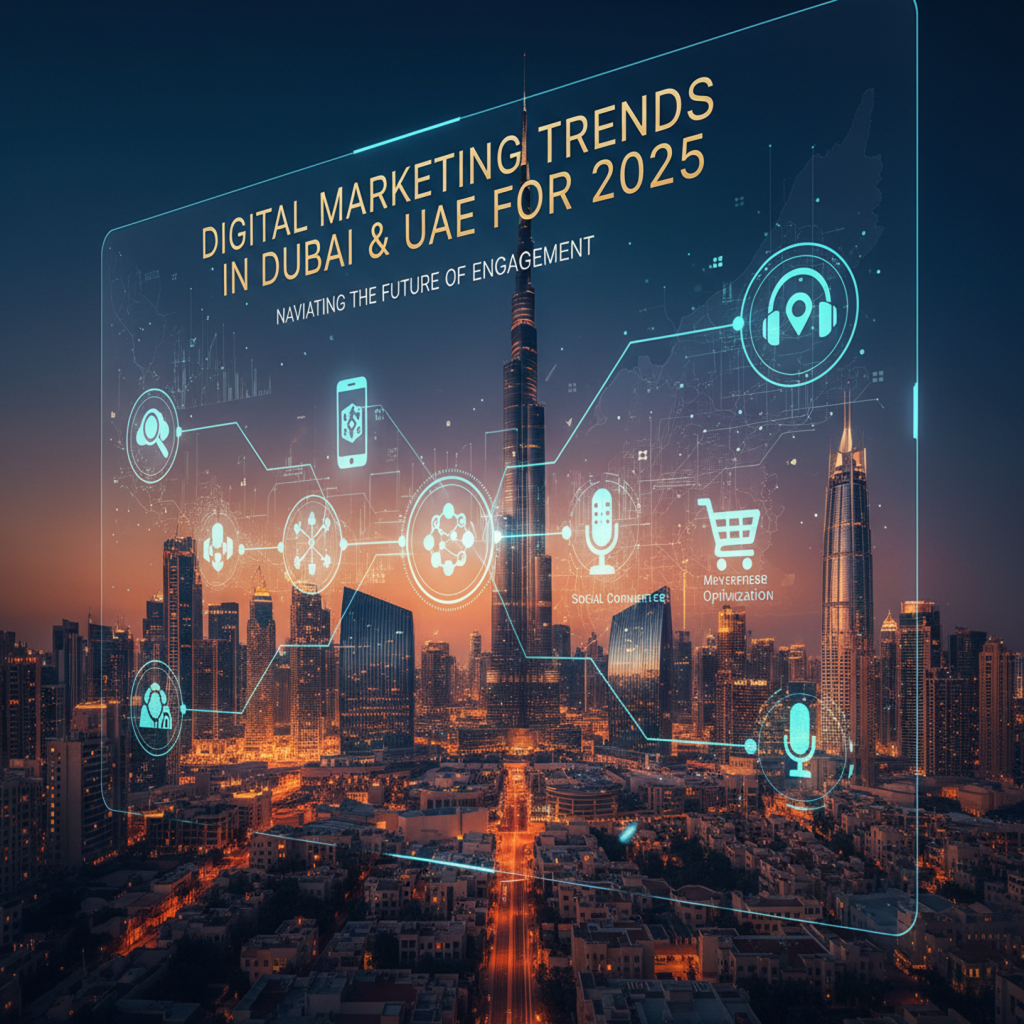
    Digital Marketing Trends in Dubai and UAE for 2025: Navigating the Future of Engagement

    The digital landscape in Dubai and across the UAE is experiencing an unprecedented period of growth and innovation. As businesses gear up for 2025, understanding the evolving trends in digital marketing is not just an advantage—it’s a necessity. From the burgeoning power of social media to the transformative potential of AI, the region is a hotbed for digital marketing advancements. With 100% internet penetration, 11.3 million active social media users, and a median age of 31.6, the UAE presents a vibrant and digitally-savvy audience ready to engage.

    Key Digital Marketing Trends in Dubai & UAE for 2025

    1. Social Media & The Social Commerce Boom

    Social media continues to dominate Dubai’s modern digital marketing industry, with platforms becoming integral to daily life. In 2025, social commerce is exploding, transforming how brands connect with consumers and drive sales directly within apps.

    • Platform Diversity: While WhatsApp remains the most popular application, Instagram, Facebook, and TikTok boast high user numbers. Instagram, with over 5 million users, is particularly favored for social commerce due to features like Stories and Shopping. TikTok is rapidly expanding among younger demographics, YouTube excels in education and long-form content, and LinkedIn is critical for B2B relationships. Snapchat appeals to younger audiences with its visual capabilities, and Twitter continues as a key news and updates platform.
    • Mobile-First Optimization: With most users accessing social media via smartphones, mobile-first optimization is paramount for businesses targeting Dubai. Seamless mobile experiences enhance engagement and conversions.
    • Consistent Multi-Platform Branding: Brands must adopt a holistic approach, maintaining a consistent brand theme across diverse platforms—e.g., entertaining Reels on Instagram, educational posts on LinkedIn, and customer stories on TikTok—to maximize reach and recognition.

    2. The Evolution of Influencer Marketing

    Influencer marketing in the UAE is more powerful than ever, with efforts increasingly relying on YouTube, Instagram, and TikTok. The region’s influencer community, Creators HQ, has already attracted 2,415 people from 147 countries, underscoring its global appeal.

    • Rise of Micro and Nano-Influencers: Brands are shifting focus to niche, authentic voices. Collaborating with local micro-influencers allows brands to showcase curated experiences, driving bookings and credibility over mere vanity metrics.
    • Authenticity Over Vanity: Consumers are seeking genuine connections. Brands that prioritize authenticity in their collaborations see stronger engagement and trust.
    • Hyper-Localization: Customizing campaigns for Dubai’s diverse communities is crucial. Influencers who resonate with specific cultural nuances and local preferences will be key to successful campaigns.

    3. AI-Powered Personalization & Data-Driven Strategies

    AI is reshaping the digital world—faster, smarter, and more precise—and it’s at the forefront of marketing in Dubai. Customers expect personalized interactions, and AI is making this possible at scale.

    • Hyper-Targeted Campaigns: AI-based tools and CRMs will drive highly targeted campaigns, adapting content and messages based on individual consumer behavior and preferences.
    • Enhanced Personalization: Brands can leverage AI and robust data to send personalized messages that significantly increase engagement and conversion rates.
    • Content Creation & Optimization: From content generation to campaign optimization, AI will empower businesses to amplify their marketing efforts, making strategies more efficient and effective.

    4. The Dominance of Video Content & Immersive Experiences

    Video marketing and interactive content are no longer optional; they are essential for capturing attention and driving engagement.

    • Video-First Content Strategy: Instagram Reels have become a dominant content format, offering significant opportunities for brands to boost visibility and engagement. Brands are using entertaining Reels, interactive stories, and engaging video content to raise brand awareness and sales.
    • AR and VR Engagement: Augmented Reality (AR) and Virtual Reality (VR) are emerging as powerful tools for creating immersive brand experiences, allowing consumers to interact with products and services in novel ways.

    Addressing Common Challenges in Dubai’s Digital Landscape

    While the digital marketing sector in Dubai is flourishing, it also presents several challenges that businesses must navigate:

    • Data Protection & Privacy: With increased personalization and data collection, ensuring robust data protection and adhering to privacy regulations is paramount to maintaining consumer trust.
    • Growing Advertising Costs: As the market matures and competition intensifies, advertising costs on popular platforms are rising. Businesses need to optimize their spending and focus on highly effective, targeted campaigns. According to Statista, ad spending on social media advertising in the UAE is projected to reach US$447.60m in 2025.
    • Maintaining Brand Consistency: Managing a diverse presence across numerous social media platforms while maintaining a consistent brand message and identity can be complex.

    Conclusion: Positioning Your Brand for Success in 2025

    The future of digital marketing in Dubai is dynamic, offering immense opportunities for expansion and creativity. By embracing cutting-edge trends like social commerce, authentic influencer collaborations, AI-driven personalization, and compelling video content, businesses can maintain a competitive edge. Addressing challenges such as data protection and rising costs with strategic planning will be crucial. Brands that prioritize innovation, invest in data-driven insights, and truly understand their audience will be the ones winning big in the UAE’s vibrant digital ecosystem in 2025 and beyond.
  • Harnessing Email and SMS Marketing for Maximum Engagement

    Harnessing Email and SMS Marketing for Maximum Engagement

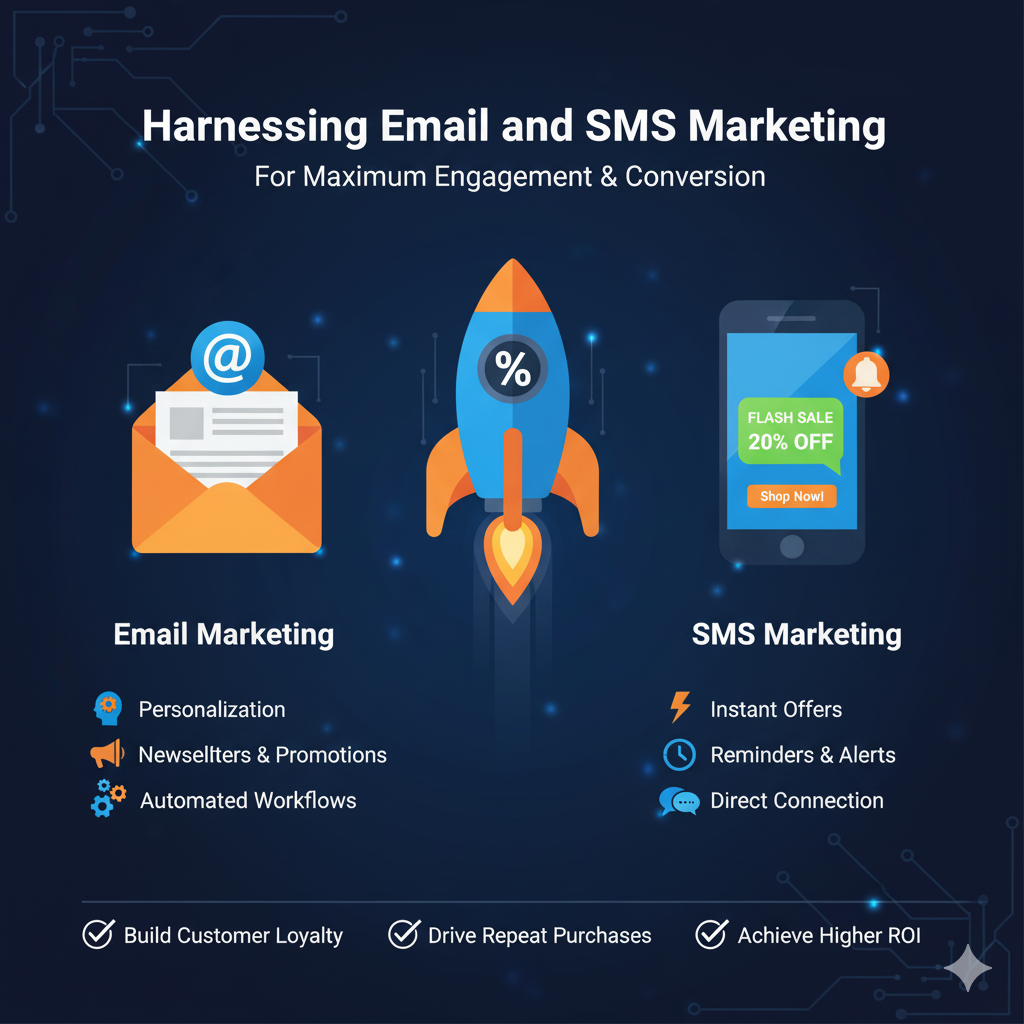
    Email and SMS marketing are powerful tools for direct customer communication, driving sales through automation, campaigns, and optimization. This post covers email automation, newsletter strategies, SMS/MMS tactics, and A/B testing to help you create personalized, high-converting campaigns.

    Email Marketing Automation Fundamentals

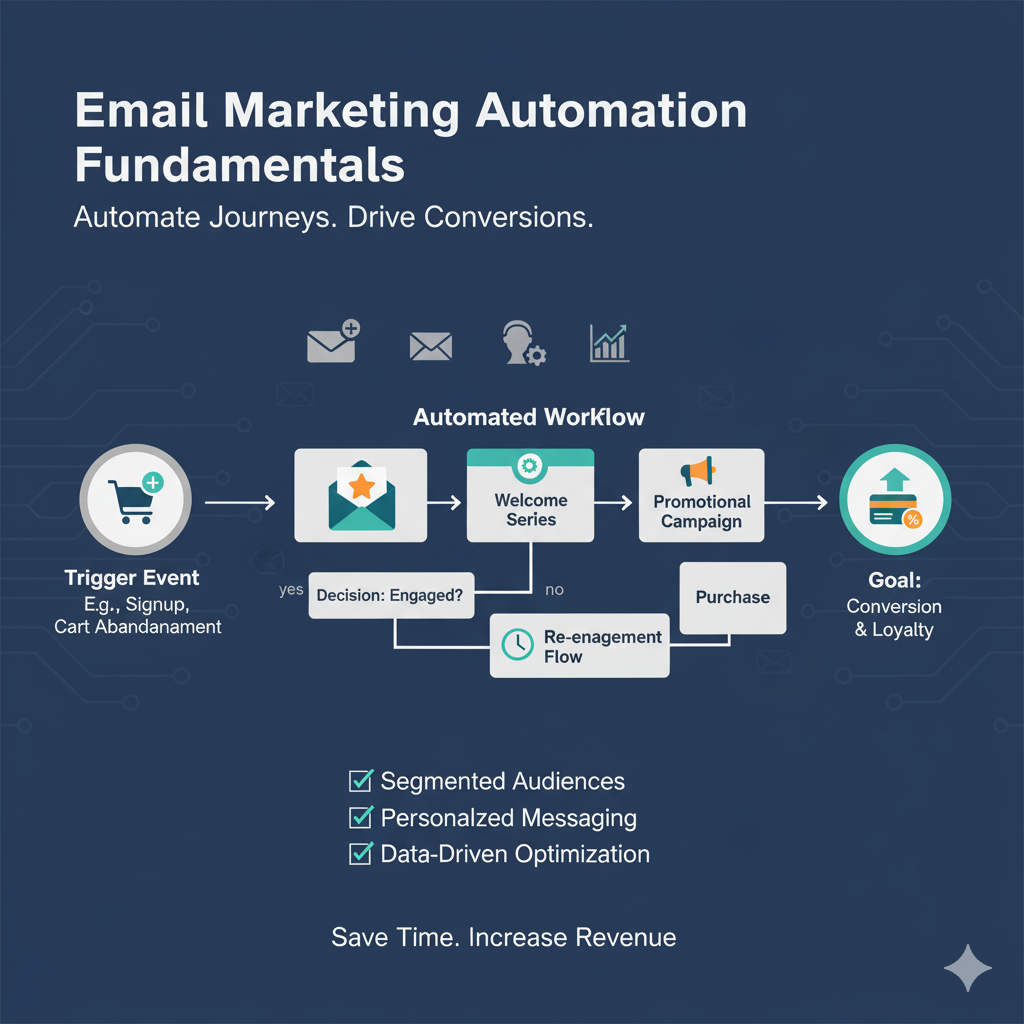
    Automation streamlines engagement with triggered workflows, like welcome sequences for new subscribers or abandoned cart reminders. Personalize based on behavior, such as purchase history, to increase open rates. Tools like Mailchimp or Klaviyo make setup easy, ensuring timely, relevant messages that nurture leads.

    Running Effective Newsletter Campaigns

    Newsletters build relationships with educational or promotional content. Use compelling subject lines, visuals, and mobile-responsive designs to boost opens. Segment audiences for tailored sends—e.g., loyalty perks for repeat buyers—and include CTAs for actions like shopping or feedback.

    SMS and MMS Marketing Strategies

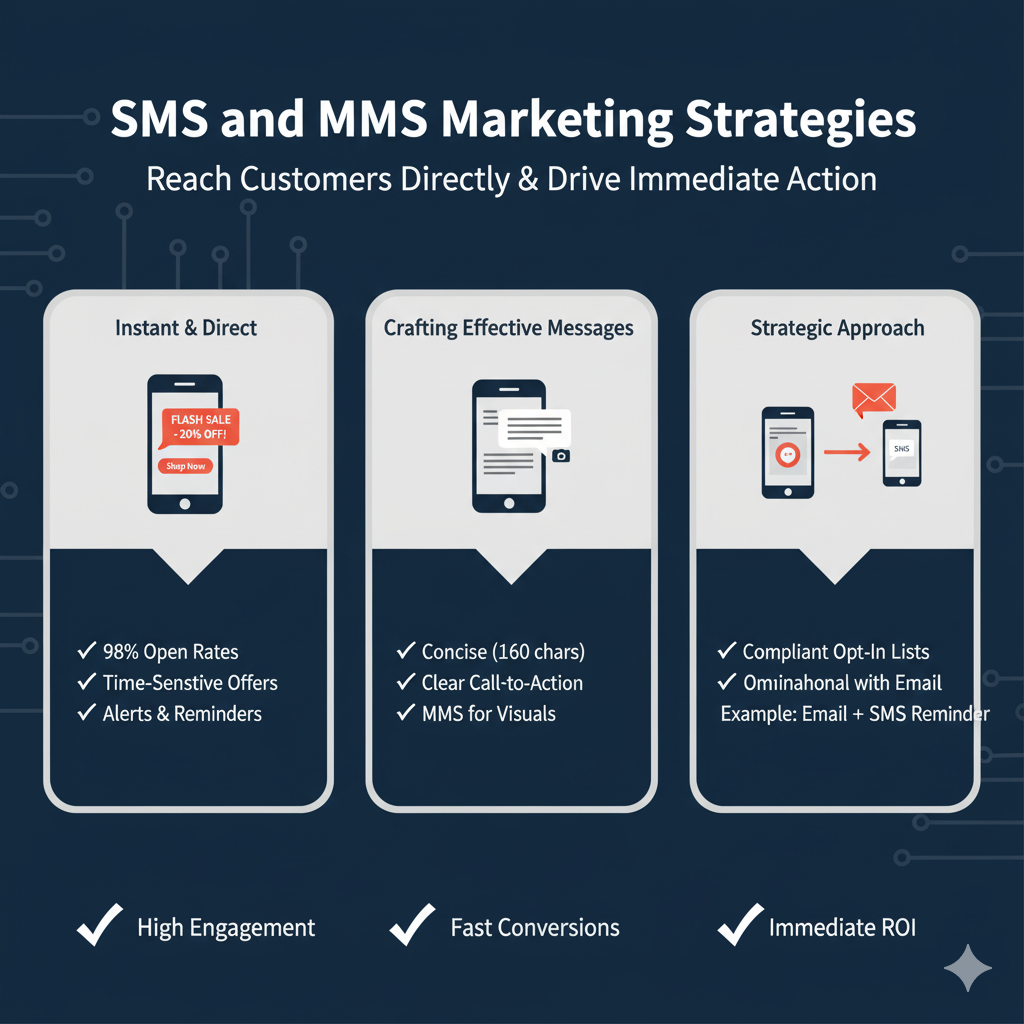
    SMS delivers instant impact with 98% open rates, ideal for time-sensitive offers or alerts. Keep messages concise (under 160 characters) with clear CTAs, and use MMS for images or videos to enhance appeal. Build opt-in lists compliantly, and combine with email for omnichannel reach, like email announcements followed by SMS reminders.

    A/B Testing and Optimization Techniques

    A/B testing refines campaigns by comparing elements like subject lines or send times. Test one variable at a time, aiming for statistical significance, and analyze metrics like CTRs and conversions. Optimize by segmenting audiences, timing sends appropriately, and ensuring compliance with regulations like GDPR.

    Conclusion

    Integrating email and SMS creates a seamless customer journey, boosting engagement and ROI. Focus on personalization, test rigorously, and use data to iterate. With these practices, you’ll turn one-time buyers into loyal advocates, expanding your reach effectively.

  • Elevate Your Business with Content Marketing Mastery

    Elevate Your Business with Content Marketing Mastery

    Content marketing is the art of attracting and retaining customers through valuable, relevant content. From blog writing and management to video production and copywriting, it builds trust and drives conversions. This article outlines strategies to create a compelling content plan that grows your audience organically.

    Blog Writing and Management Best Practices

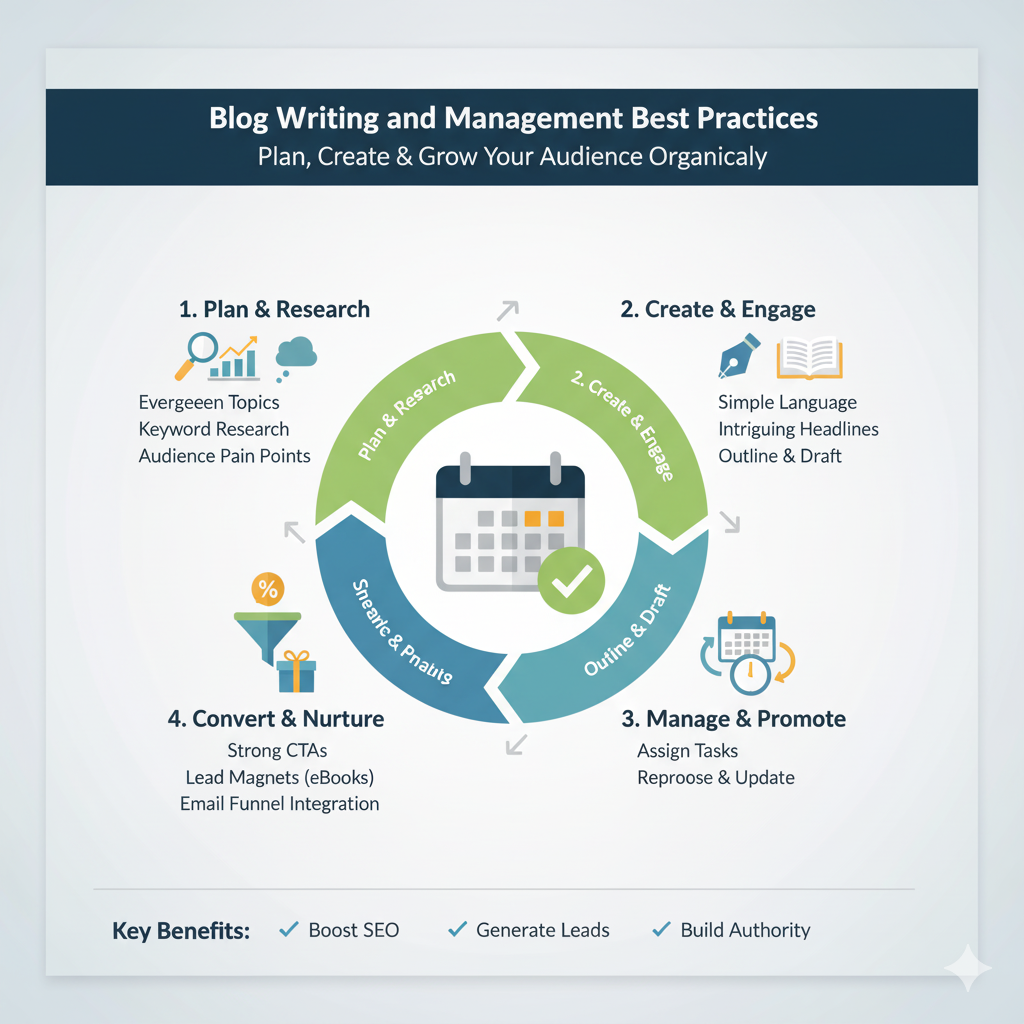
    Blogs are a cornerstone for SEO and lead generation. Focus on evergreen topics that address audience pain points, using keyword research to target searches. Write in simple, engaging language with intriguing headlines that promise value.

    Manage your blog with a calendar: plan themes, assign tasks, and repurpose content (e.g., turn a post into an infographic). Update older posts for freshness, and include CTAs for lead magnets like ebooks to nurture visitors through the funnel.

    Video Marketing and Production Tips

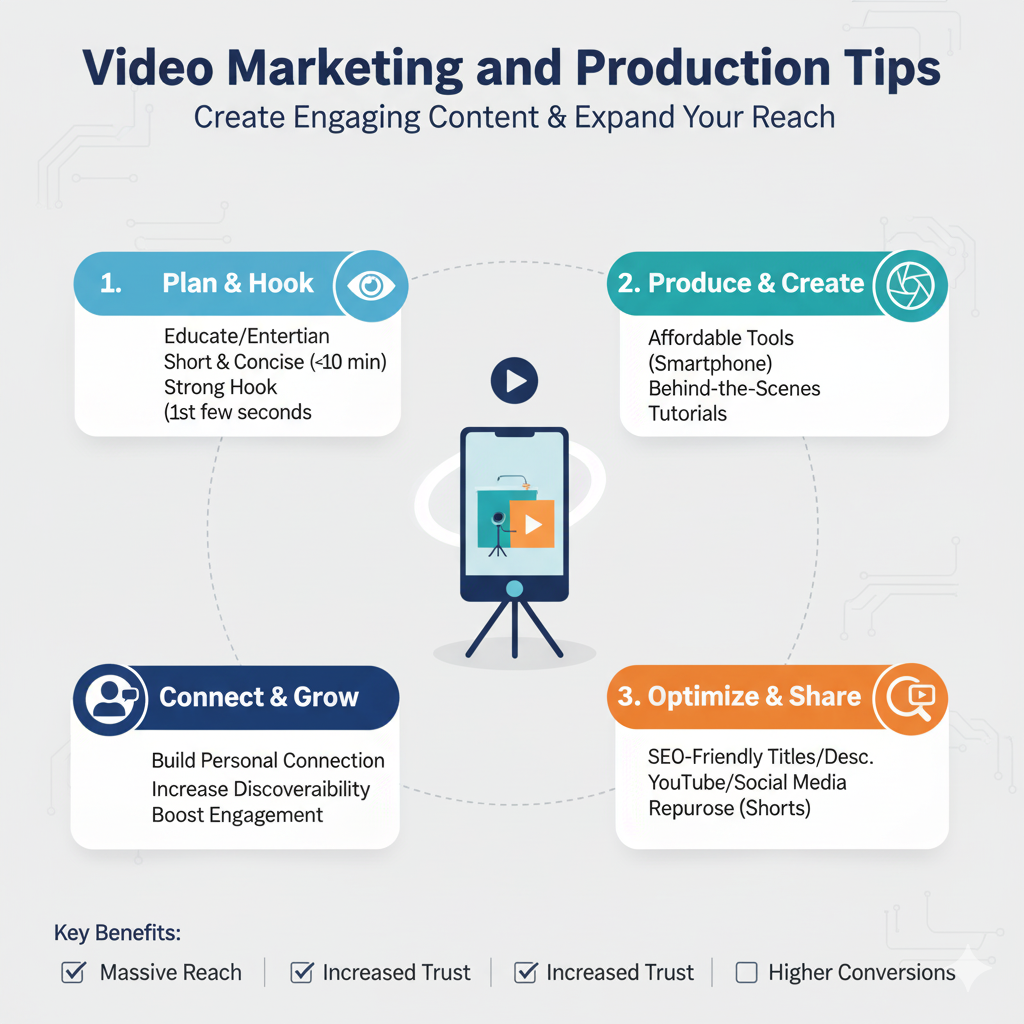
    Videos build personal connections, with platforms like YouTube offering massive reach. Produce content that educates or entertains, such as tutorials or behind-the-scenes clips. Keep videos concise (under 10 minutes for most), with strong hooks in the first few seconds.

    Use affordable tools like smartphones for production, and repurpose footage into shorts for social media. Optimize with SEO-friendly titles and descriptions to boost discoverability and engagement.

    The Power of Copywriting in Content

    Copywriting crafts persuasive messages that compel action. Whether for blogs, emails, or ads, focus on benefits over features, using storytelling to evoke emotions. Be authentic to stand out from generic content, and test variations for resonance.

    Incorporate copy into all formats: compelling scripts for videos, scannable blog subheads, and clear CTAs. Measure success through metrics like click-through rates to refine your approach.

    Conclusion

    A successful content marketing strategy aligns with your audience’s journey, mixing formats for broader appeal. Track results, iterate based on data, and stay consistent—over time, you’ll see reduced acquisition costs and stronger loyalty. Start with a simple plan and scale as you gain insights.

  • Building a Powerful Brand: From Logo Design to Strategic Messaging

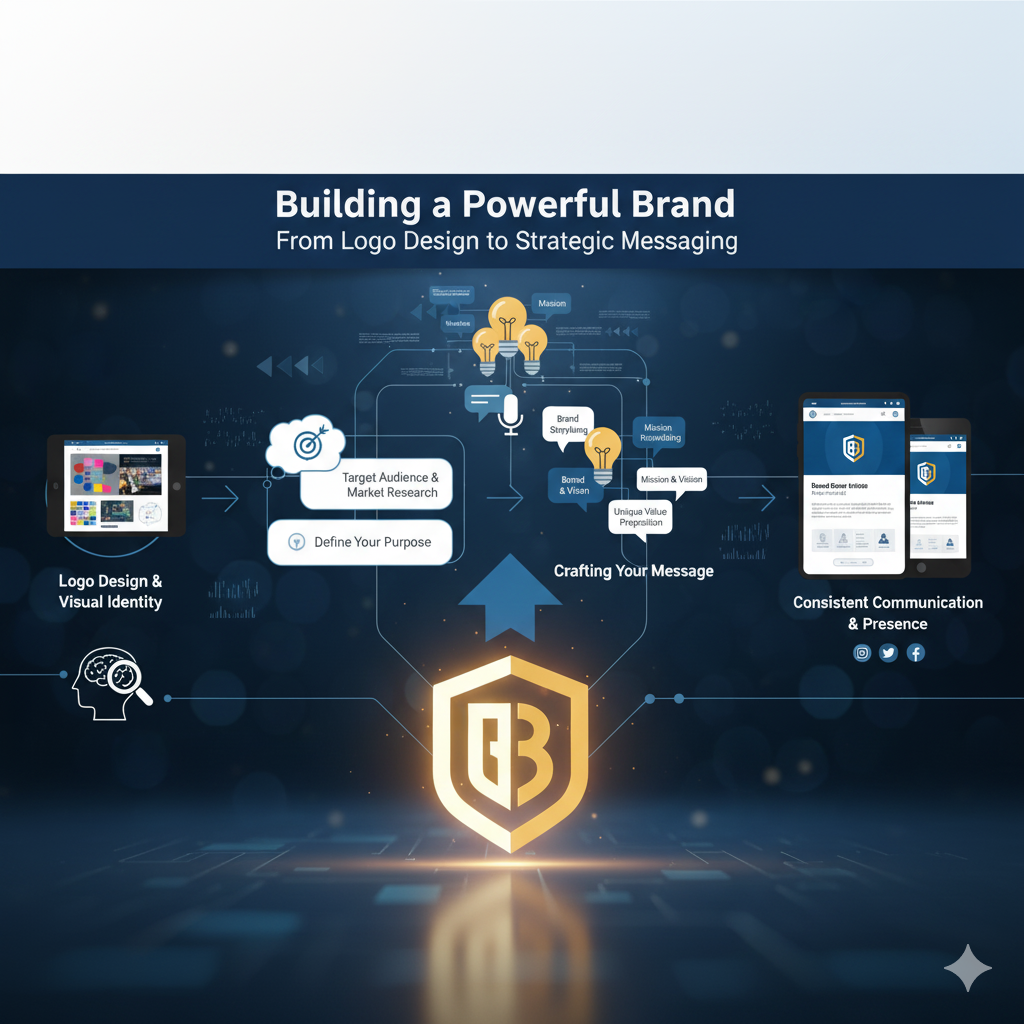
    Building a Powerful Brand: From Logo Design to Strategic Messaging

    Branding is more than just a logo—it’s the essence of how your business is perceived. A strong brand identity fosters trust, differentiates you from competitors, and builds lasting customer loyalty. This post delves into logo and identity design, along with brand strategy and messaging, to help you craft a cohesive brand that resonates.

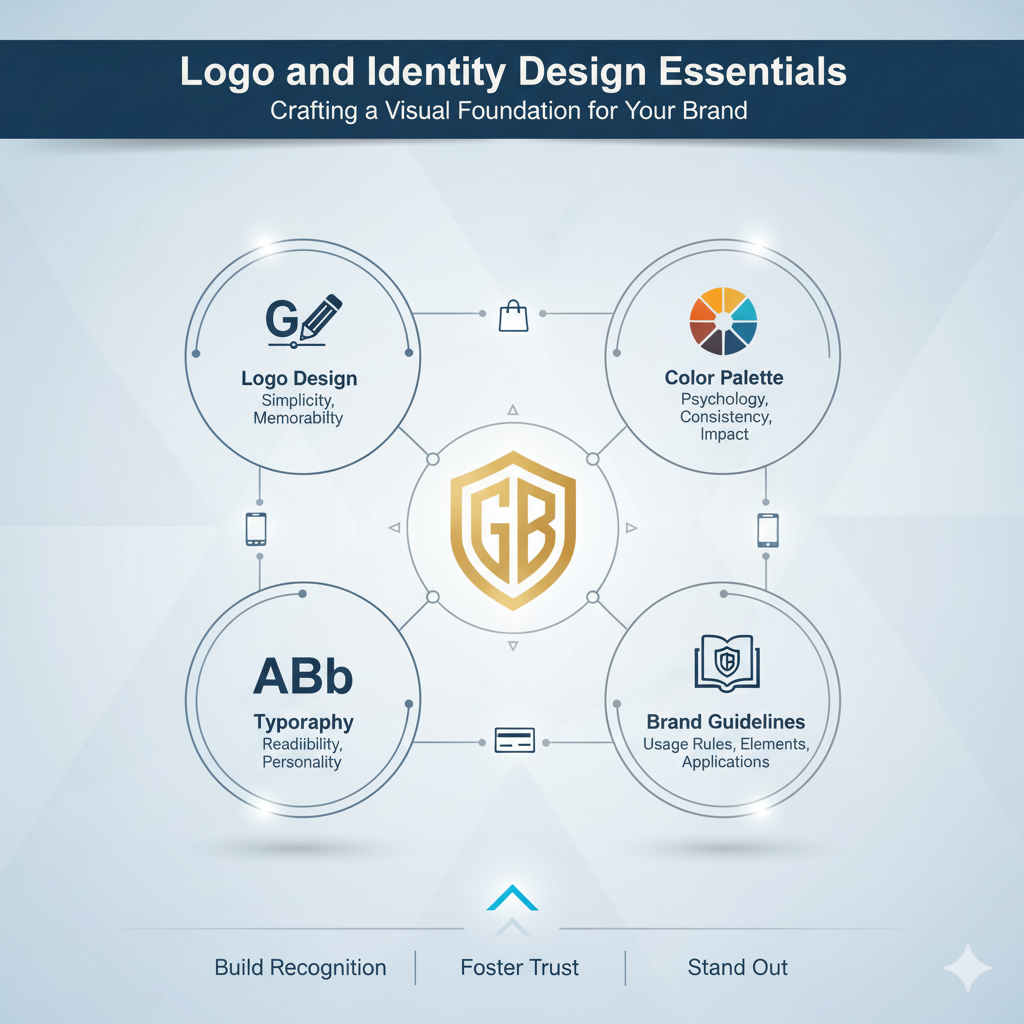
    Logo and Identity Design Essentials

    Your logo is the visual cornerstone of your brand, needing to be simple, memorable, and versatile across mediums. Start by defining your brand’s personality—fun and approachable or professional and sleek?—and choose colors and typography that reflect it. For instance, warm colors like orange evoke energy, while sans-serif fonts suggest modernity.

    Identity design extends to business cards, packaging, and digital assets. Use a style guide to ensure consistency, avoiding common pitfalls like overly complex designs that don’t scale well on mobile. Tools like Adobe Express can streamline creation, allowing for quick iterations.

    Developing a Brand Strategy

    A solid brand strategy outlines your purpose, values, and unique market position. Begin with market research to understand your audience’s needs and competitors’ gaps. Create a positioning statement: « For [target audience], [brand] is the [category] that [benefit] because [reason]. »

    Incorporate sustainability or personalization trends for 2025 relevance. Evolve your strategy periodically through SWOT analysis to stay adaptable, ensuring your brand remains fresh without losing core recognition.

    Crafting Effective Brand Messaging

    Messaging communicates your brand’s voice and story, building emotional connections. Define a consistent tone—conversational for B2C or authoritative for B2B—and key messages that align with values. Taglines should be concise and impactful, like Nike’s « Just Do It, » encapsulating motivation.

    Tailor messaging to channels: short and punchy for social media, detailed for websites. Use storytelling to highlight your uniqueness, fostering loyalty by solving customer pain points authentically.

    Conclusion

    A well-executed brand builds equity that translates to higher pricing and referrals. Invest in thoughtful design and strategy, maintain consistency, and monitor perceptions through feedback. With these foundations, your brand will not only stand out but thrive in a crowded market.

  • Mastering Conversion Rate Optimization: Boost Your Website’s Performance

    Mastering Conversion Rate Optimization: Boost Your Website’s Performance

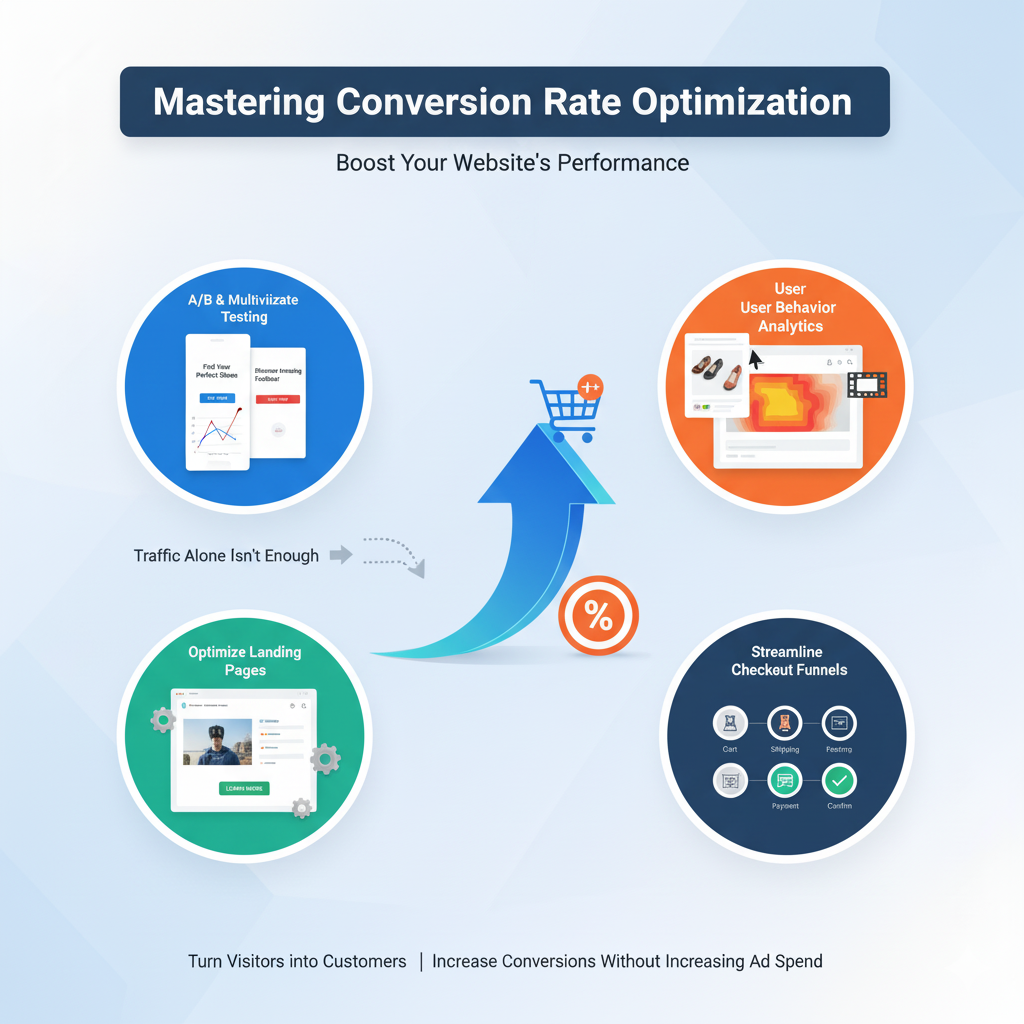
    In today’s digital landscape, simply driving traffic to your website isn’t enough. The real game-changer is Conversion Rate Optimization (CRO), which focuses on turning visitors into customers. By refining elements like A/B and multivariate testing, analyzing user behavior through heatmaps and session recordings, optimizing landing pages, and streamlining checkout funnels, businesses can significantly increase conversions without increasing ad spend. This guide explores these key strategies to help you implement effective CRO.

    Understanding A/B and Multivariate Testing.

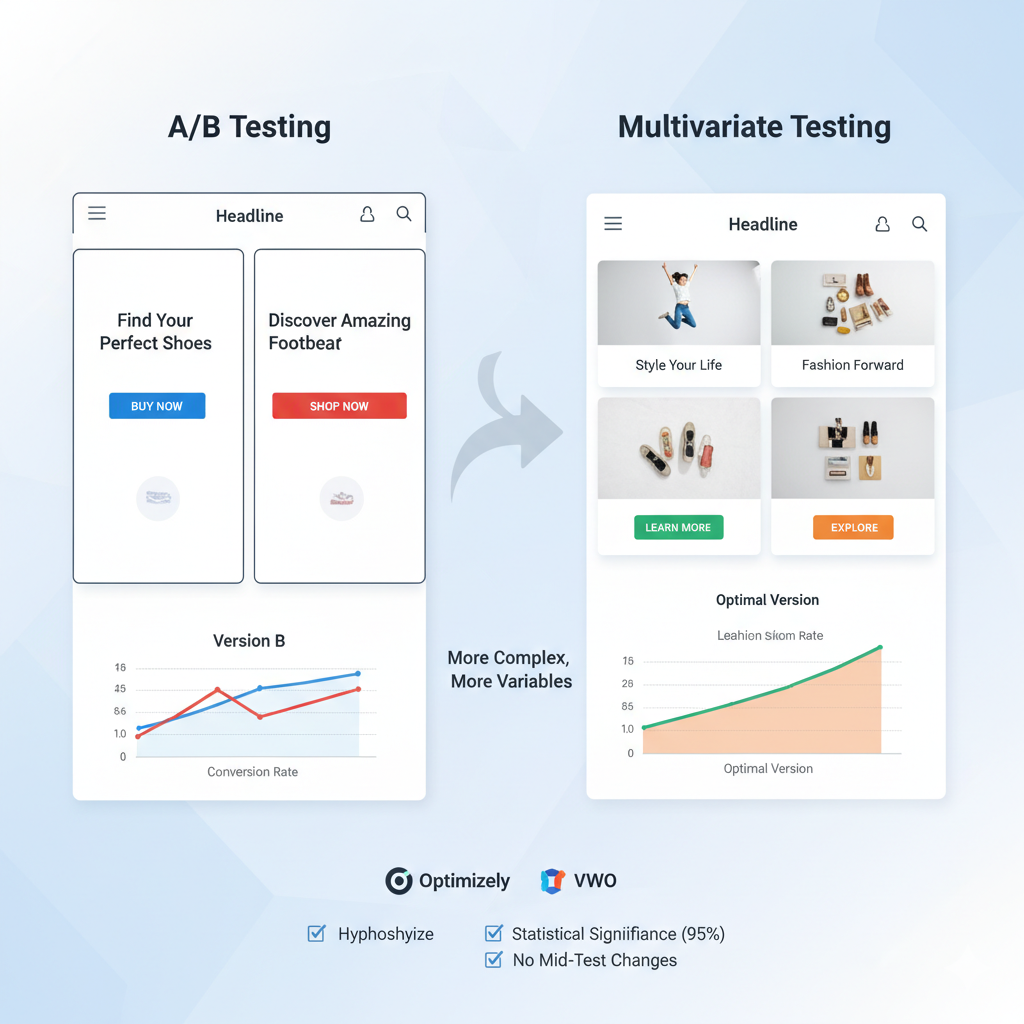
    A/B testing involves comparing two versions of a webpage or element to see which performs better in terms of conversions. For instance, you might test different call-to-action (CTA) buttons—one red and one blue—to determine which drives more clicks. Multivariate testing takes this further by experimenting with multiple variables at once, such as headlines, images, and layouts, to identify the optimal combination.

    Best practices include setting clear hypotheses based on data, running tests until statistical significance is reached (at least 95%), and avoiding mid-test changes. Tools like Optimizely or VWO can help automate this process, ensuring reliable results that inform broader optimizations.

    Analyzing User Behavior with Heatmaps and Session Recordings

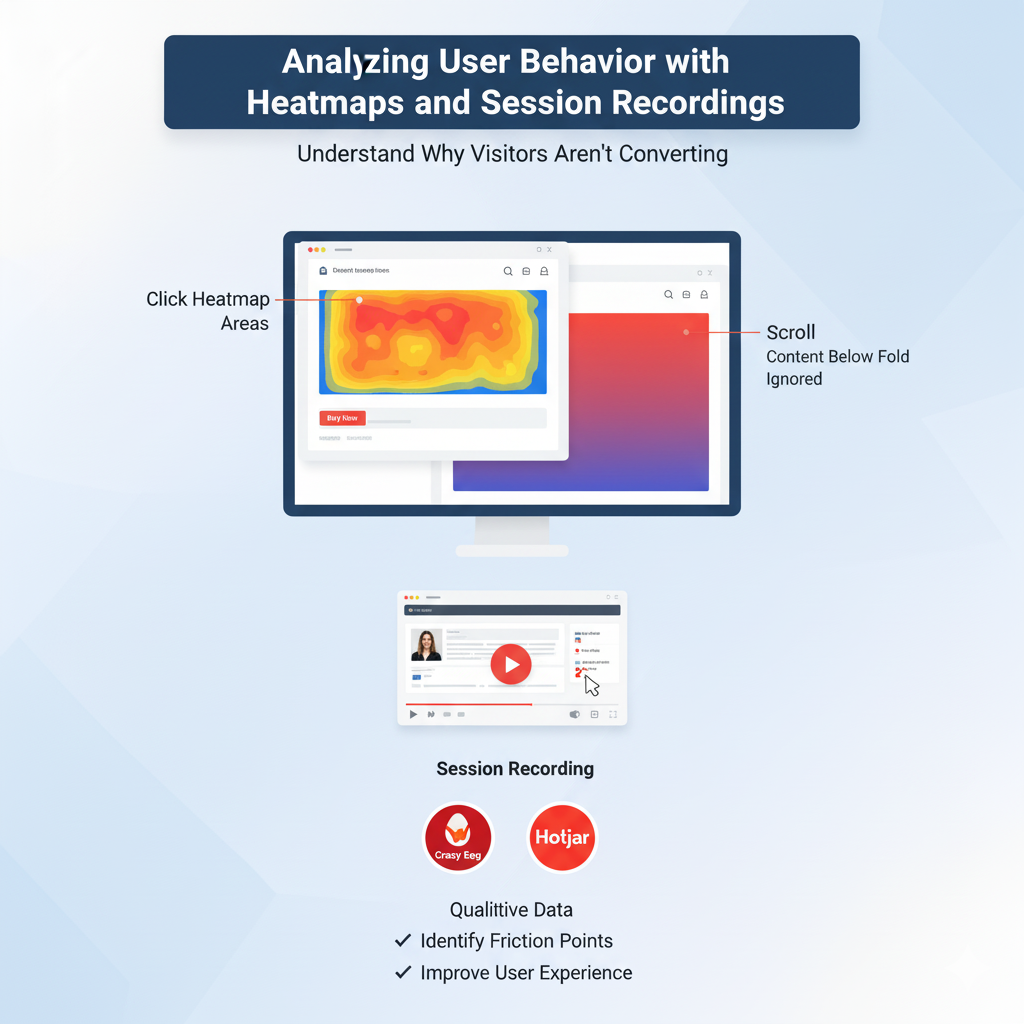
    To truly understand why visitors aren’t converting, dive into user behavior analysis. Heatmaps visually represent where users click, scroll, and hover, highlighting high-engagement areas and ignored sections. Session recordings allow you to replay individual user journeys, spotting friction points like confusing navigation or slow-loading elements.

    Implement these tools (e.g., Hotjar or Crazy Egg) to gather qualitative data alongside quantitative metrics like bounce rates. This insight reveals patterns, such as mobile users abandoning carts due to poor form design, enabling targeted fixes that improve overall user experience.

    Optimizing Landing Pages for Maximum Impact

    Landing pages are your first impression and a critical conversion hub. Optimization involves clear, benefit-focused headlines, compelling CTAs placed above the fold, and minimal distractions. Use social proof like testimonials and trust badges to build credibility, and incorporate expressive images—vibrant, emotion-evoking visuals that align with your brand and resonate with visitors.

    For example, eCommerce sites can boost conversions by using high-quality product images that convey value and urgency. Test variations to ensure mobile responsiveness, as poor mobile experiences lead to high abandonment rates.

    Streamlining Checkout and Funnel Optimization

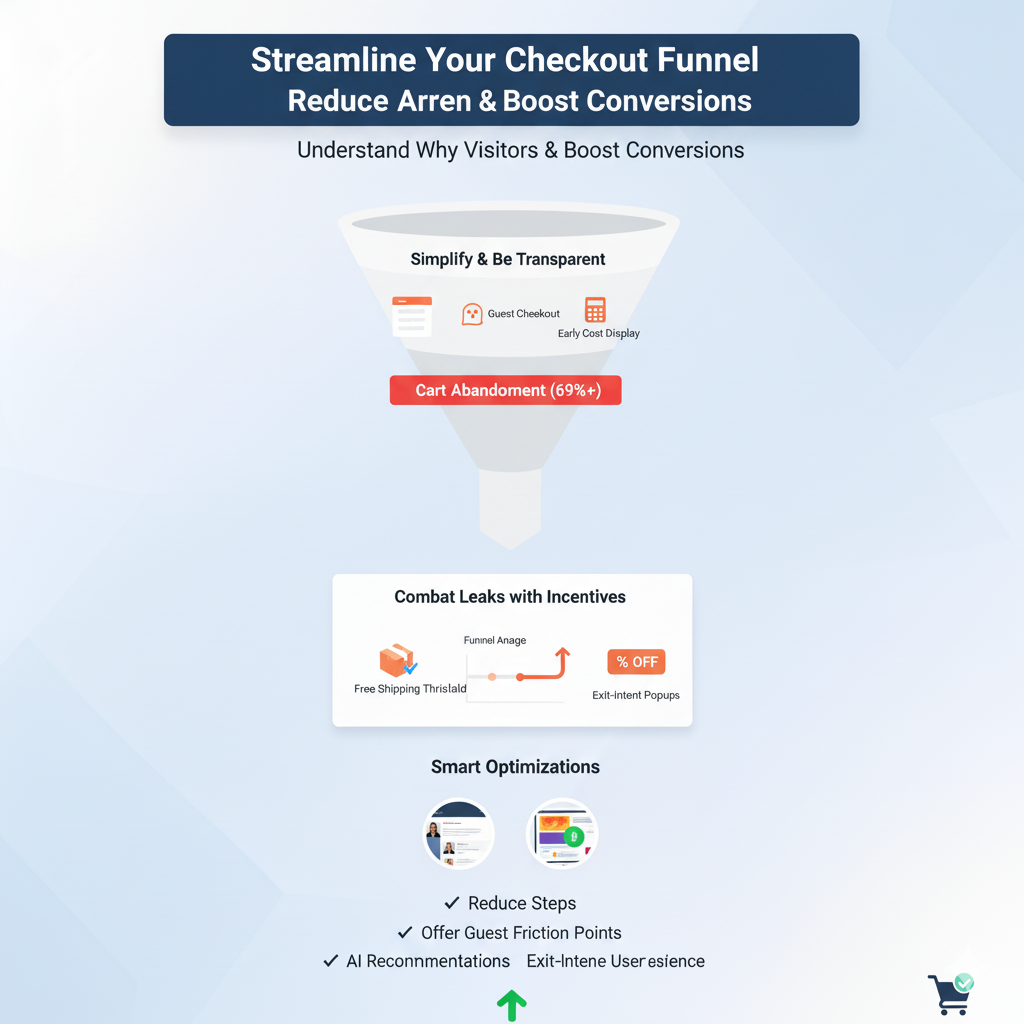
    The checkout process is where many conversions falter, with cart abandonment rates often exceeding 69%. Optimize by reducing steps, offering guest checkouts, and transparently displaying costs early. Funnel analysis identifies leaks, such as drop-offs at shipping pages, which can be addressed with incentives like free shipping thresholds.

    Personalize the funnel using AI recommendations based on browsing history, and use exit-intent popups with discounts to recapture leaving visitors. Regular A/B testing here can yield significant revenue lifts, as seen in cases where simplifying forms increased completions by over 50%.

    Conclusion

    Effective CRO is an ongoing process that combines data-driven testing, user insights, and targeted optimizations. By focusing on these areas, you can enhance user satisfaction, reduce acquisition costs, and drive sustainable growth. Start small with one test, analyze results, and scale up—your conversion rates will thank you.

  • Digital marketing: SEO, SEA and social networks

    Digital marketing: SEO, SEA and social networks

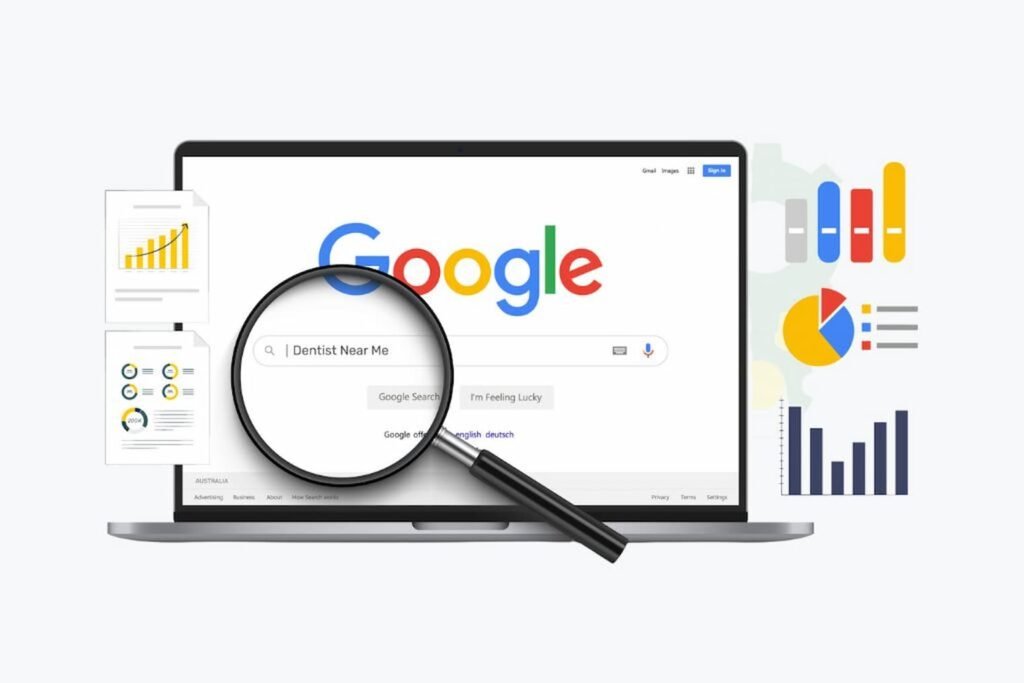
    With the importance of the Internet in our days, digital marketing has rapidly become a key lever for any company that wants to increase its visibility and optimize its sales. Sometimes called digital marketing, it covers all the marketing strategies that take place on the Internet. In particular, in order to be seen, it is necessary to use the references. There is natural referencing, called Search Engine Optimization (SEO) and paid referencing, Search Engine Advertising (SEA).

    1. SEO: improving its natural positioning

    It is easy to attract clicks, and therefore to climb the referencing, with a good SEO strategy. To do this, you need to understand what terms people are looking for when they want to find a product similar to yours.

    Some sites specialize in the lists of SEO words that work: be careful though, because they are subject to rapid change. If you notice a drop in traffic coming from the Internet, quickly update the expressions on your site to give you the best chance of getting back on track in the search results.

    seo-description

    Also be alert to the internal structure of your website, because H1 tags will often be decisive, both in referencing and in persuading users to click on them.

    To help you fully exploit the SEO aspect of your business, you can use google it will give you a detailed overview of the words that come out of your site the most, as well as help with hierarchical optimization.

    Last but not least: your site needs to be linked to other sites to strengthen its authority. This marketing strategy is called backlink, and it is used on the Internet. Don’t deprive yourself of this precious resource.

    1. SEA: gain visibility through paid advertisements

    In addition to SEO, and in particular at the start of activity, it may be recommended to use the Search Engine Advertising to broadcast paid advertisements. In particular, Google Ads is one of the most convenient platforms for successfully reaching specific customers.

    If you have segmented your market correctly and selected your audience, you can now target it directly: indicate the age group, geographical region and interests that may be close to the product you offer, and showcase your business to all these potential customers in one click.

    Unlike SEO, SEA offers immediate visibility. Study carefully where traffic on your website comes from to understand where your customers are, and focus on a few small jobs rather than investing too much in the beginning. It is better than 30 loyal customers than 100 casual customers.

  • Understanding SEO: A Guide to Search Engine Optimization

    Understanding SEO: A Guide to Search Engine Optimization

    What is SEO?

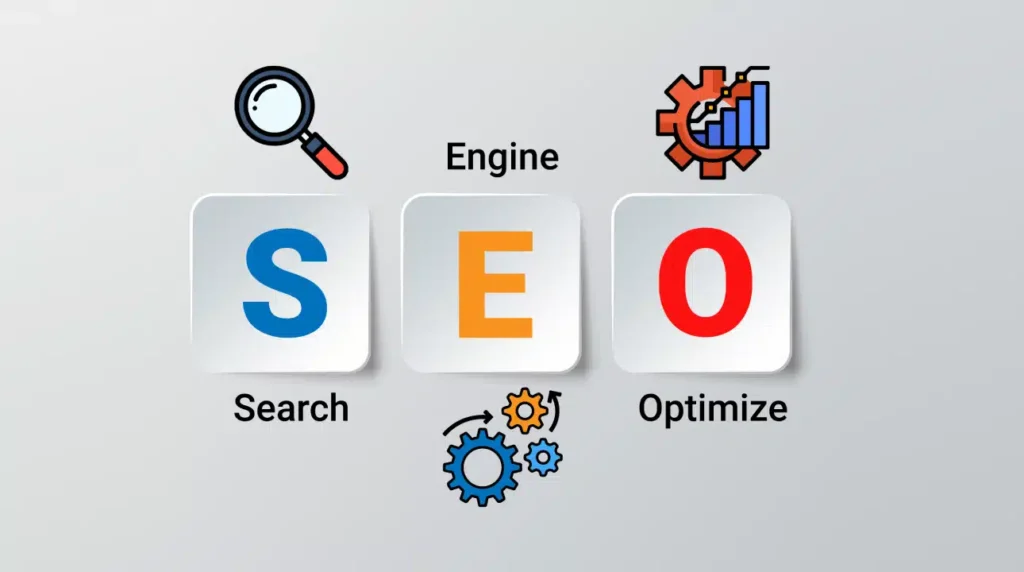
    Search Engine Optimization (SEO) is the process of enhancing the visibility of a website or web page in search engine results. The primary goal of SEO is to attract organic traffic by ranking higher based on relevant search queries.

    The Importance of SEO

    Implementing effective SEO strategies can significantly impact your website’s traffic and visibility. Businesses that prioritize SEO are more likely to outperform their competitors by appearing on the first page of search engine results. Good SEO practices ensure that your content meets user intent, which increases engagement and conversions.

    Key Components of SEO

    There are several essential elements that contribute to a successful SEO strategy, including keyword research, on-page optimization, link building, and technical SEO. Keyword research helps identify the terms your target audience is using, while on-page optimization focuses on the content and HTML source code to improve relevancy. Link building involves acquiring hyperlinks from other websites, enhancing your site’s authority and trustworthiness. Finally, technical SEO ensures that your website is structurally sound and easy for search engines to crawl.

  • Understanding SEO: A Comprehensive Guide

    Understanding SEO: A Comprehensive Guide

    What is SEO?

    Search Engine Optimization (SEO) is a critical aspect of online marketing that focuses on enhancing website visibility. By implementing various strategies, businesses can improve their chances of appearing higher in search engine results, which in turn attracts more visitors to their sites.

    The Importance of SEO

    Accurate SEO practices can significantly impact a website’s success. High-ranking pages not only garner more traffic but also establish trust and credibility among users. With the increasing reliance on search engines for information, investing in SEO is essential for any business looking to thrive in the digital landscape.

    Basic SEO Techniques

    There are several foundational techniques that can enhance your website’s SEO. First, integrating relevant keywords into your content ensures that search engines understand your page’s purpose. Second, optimizing meta tags like title and description helps in attracting clicks from search results. Lastly, creating high-quality backlinks solidifies a site’s authority and improves its rank.